ONE PROPERTY OR A NATIONAL PORTFOLIOREPAIR / REPLACEMENT / MAINTENANCE / CAPITAL PLANNING
CLEAR ANSWERS / BETTER ROOF DECISIONS
Commercial Roofing FAQs
Answers about commercial roof replacement, flat roof repair, TPO, EPDM, warranties, and costs.
What Services Does A Commercial Roofing Contractor Provide?
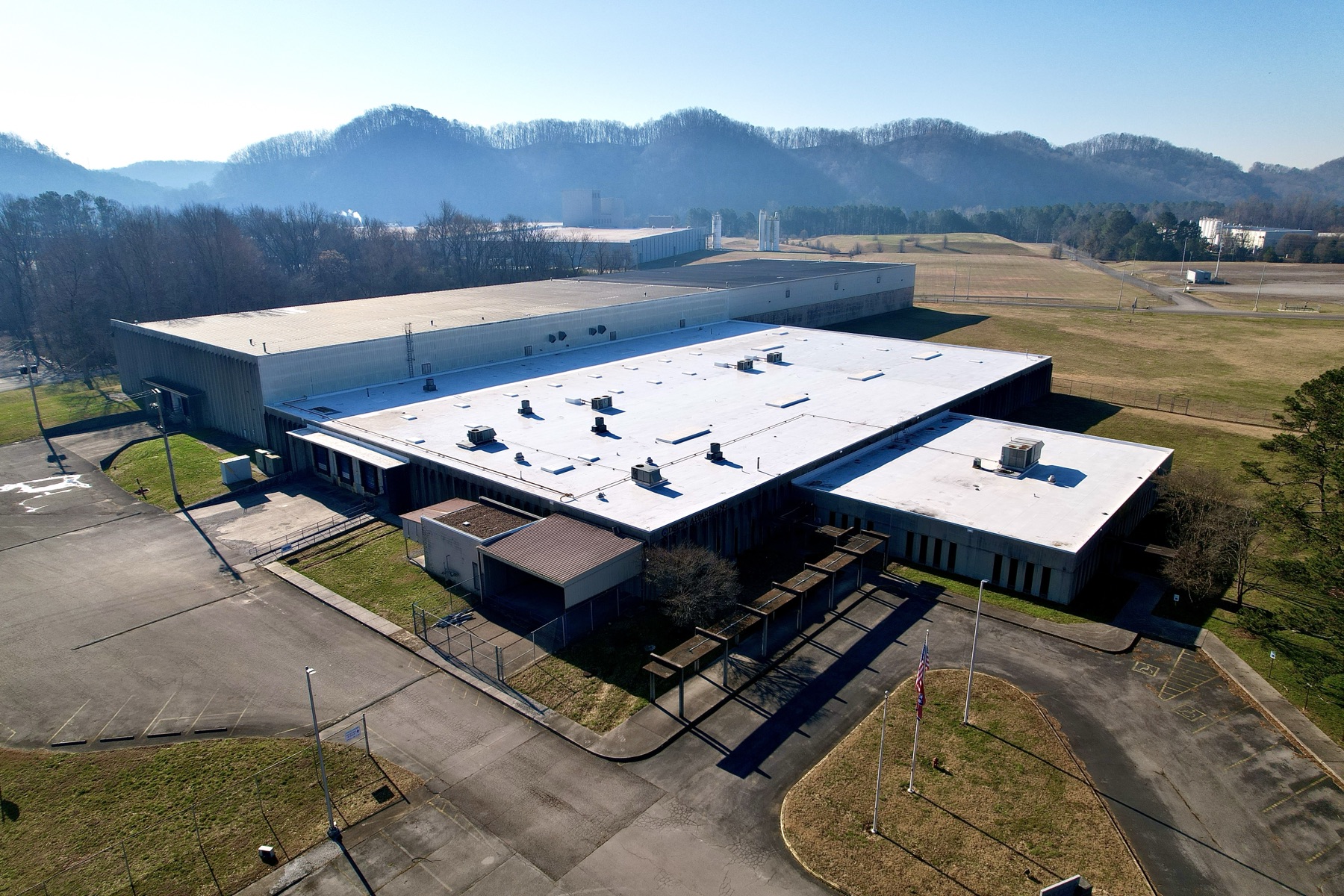
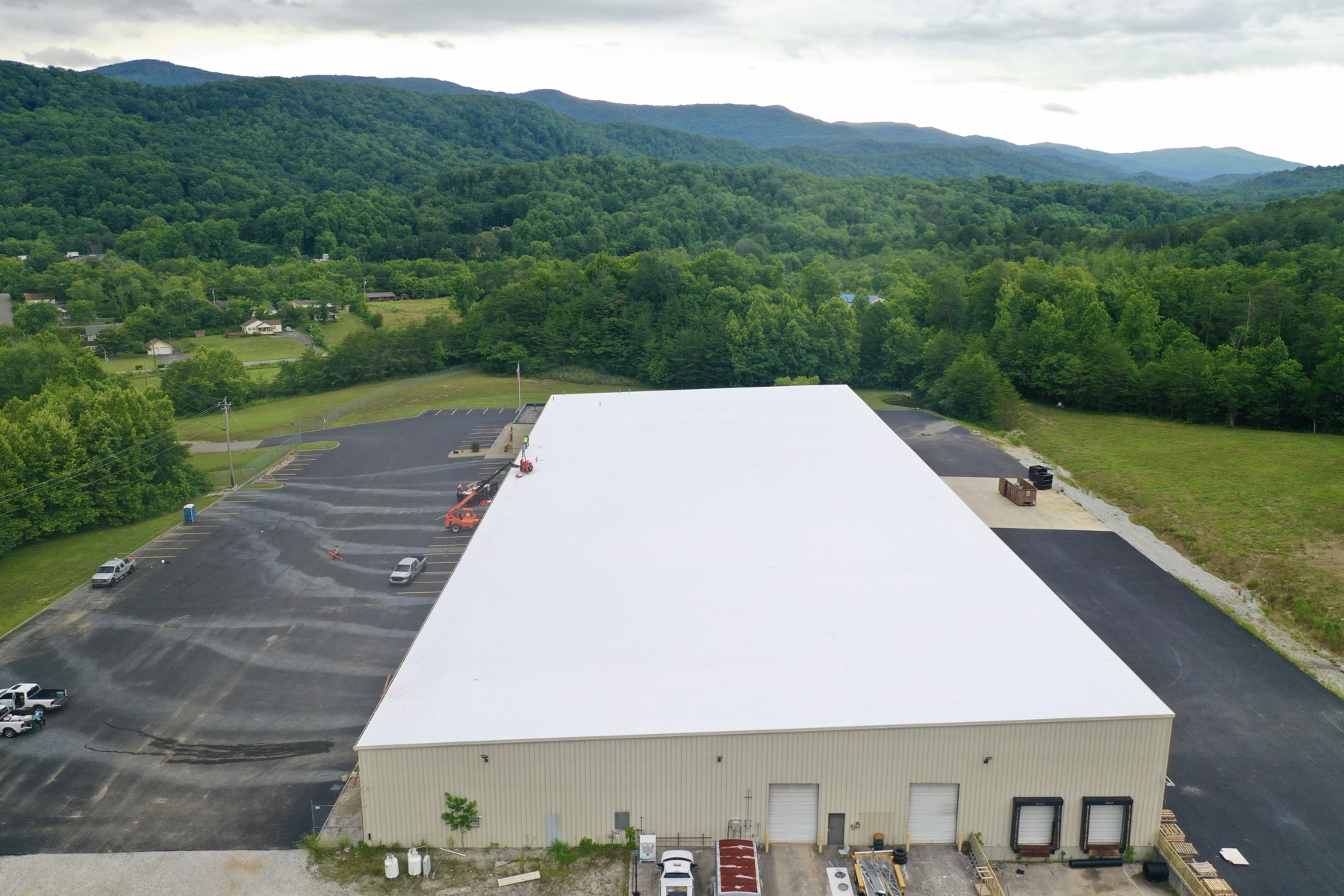
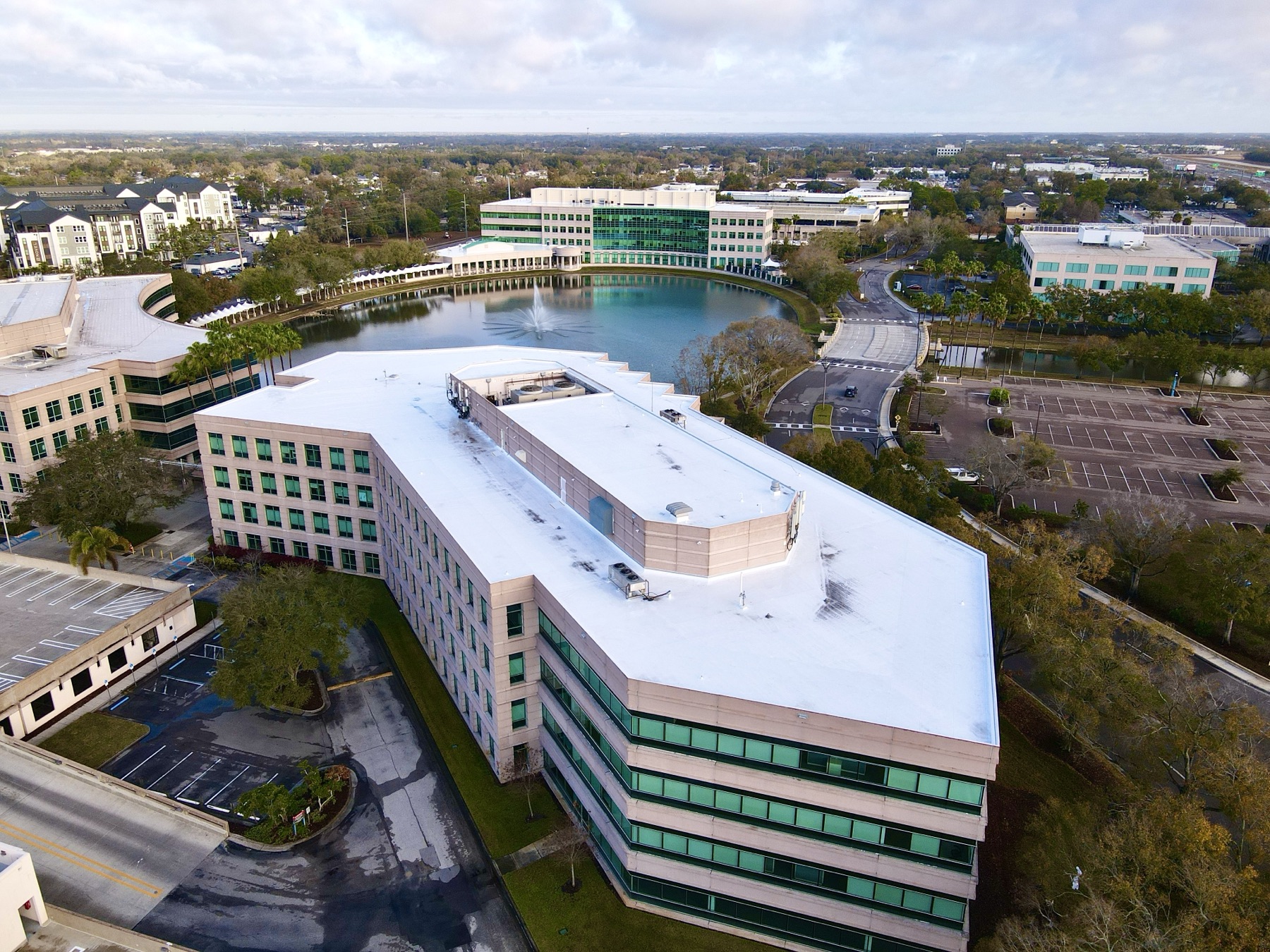
Commercial roofing contractors specialize in installing, replacing, repairing, and maintaining roofs on warehouses, manufacturing facilities, retail centers, office buildings, and other commercial properties. US Commercial Roofing provides commercial and industrial roof replacements, leak repairs, preventative maintenance, inspections, roof coatings, and metal roof retrofits using TPO, EPDM, PVC, modified bitumen, and metal roofing systems.
How Do I Find The Best Commercial Roofing Contractor Near Me?
Look for a licensed, insured commercial roofing contractor with manufacturer certifications, documented experience, and a strong warranty program. Ask whether the company provides dedicated project management, installation inspections, and photographic quality-control reports. US Commercial Roofing offers these services, backed by experienced field supervisors and manufacturer-trained installation teams.
What Areas Does US Commercial Roofing Serve?
US Commercial Roofing provides commercial and industrial roofing nationwide through our franchise network. We support individual properties, national accounts and multi-location businesses.
Local-market coverage is managed through the corresponding city websites, not duplicate area guides on this national website. Share your property locations so our team can confirm coverage, project fit and scheduling.
How Much Does Commercial Roof Replacement Cost Per Square Foot?
As a broad planning range, single-ply commercial roof replacement may cost around $6–$15 per square foot, although actual prices vary significantly.
The biggest cost factors are the roofing system, insulation requirements, existing roof removal, building height, drainage, and roof complexity. Larger, open warehouse roofs may have a lower cost per square foot than smaller buildings with extensive rooftop equipment.
US Commercial Roofing provides project-specific pricing rather than relying on generalized square-foot estimates.
How Much Does Commercial Roof Leak Repair Cost?
Minor commercial roof repairs may cost a few hundred dollars, while more extensive repairs involving multiple leaks, deteriorated flashing, or wet insulation can cost several thousand dollars.
The actual price depends on the roofing system, the source of the leak, and the extent of damage. A small TPO membrane puncture may require a simple heat-welded patch, while saturated insulation requires removal and replacement of affected materials.
How Long Does A Commercial Flat Roof Last?
A properly installed TPO, EPDM, or PVC commercial roofing system commonly lasts 20–30 years, depending on the installation, climate, roof traffic, and maintenance.
Commercial metal roofs can last 40 years or longer. Routine inspections and prompt repairs help maximize roof performance. A 20-year manufacturer warranty does not necessarily mean the roof must be replaced after 20 years.
Should I Repair Or Replace My Commercial Roof?
Repair it if the damage is isolated. Replace it if deterioration or water intrusion is widespread.
Punctures, localized seam failures, and damaged flashing are frequently repairable. Extensive wet insulation, repeated leaks, or deteriorating membranes may justify replacement.
In some cases, a new roofing membrane can be installed over an existing roof, avoiding a complete tear-off. Roof recover eligibility depends on moisture conditions, the number of existing roofing layers, manufacturer requirements, and local building codes.
What Is The Best Roofing Material For A Flat Commercial Roof?
TPO is often an excellent combination of affordability, durability, and energy efficiency for commercial flat roofs.
EPDM provides proven flexibility and weather resistance, while PVC is particularly useful for roofs exposed to grease, oils, or certain chemicals. Modified bitumen offers a multilayer roofing option, and metal systems can provide exceptional longevity.
The best material depends on the building’s use, roof conditions, and budget.
What Is TPO Roofing, And Why Is It Popular On Commercial Buildings?
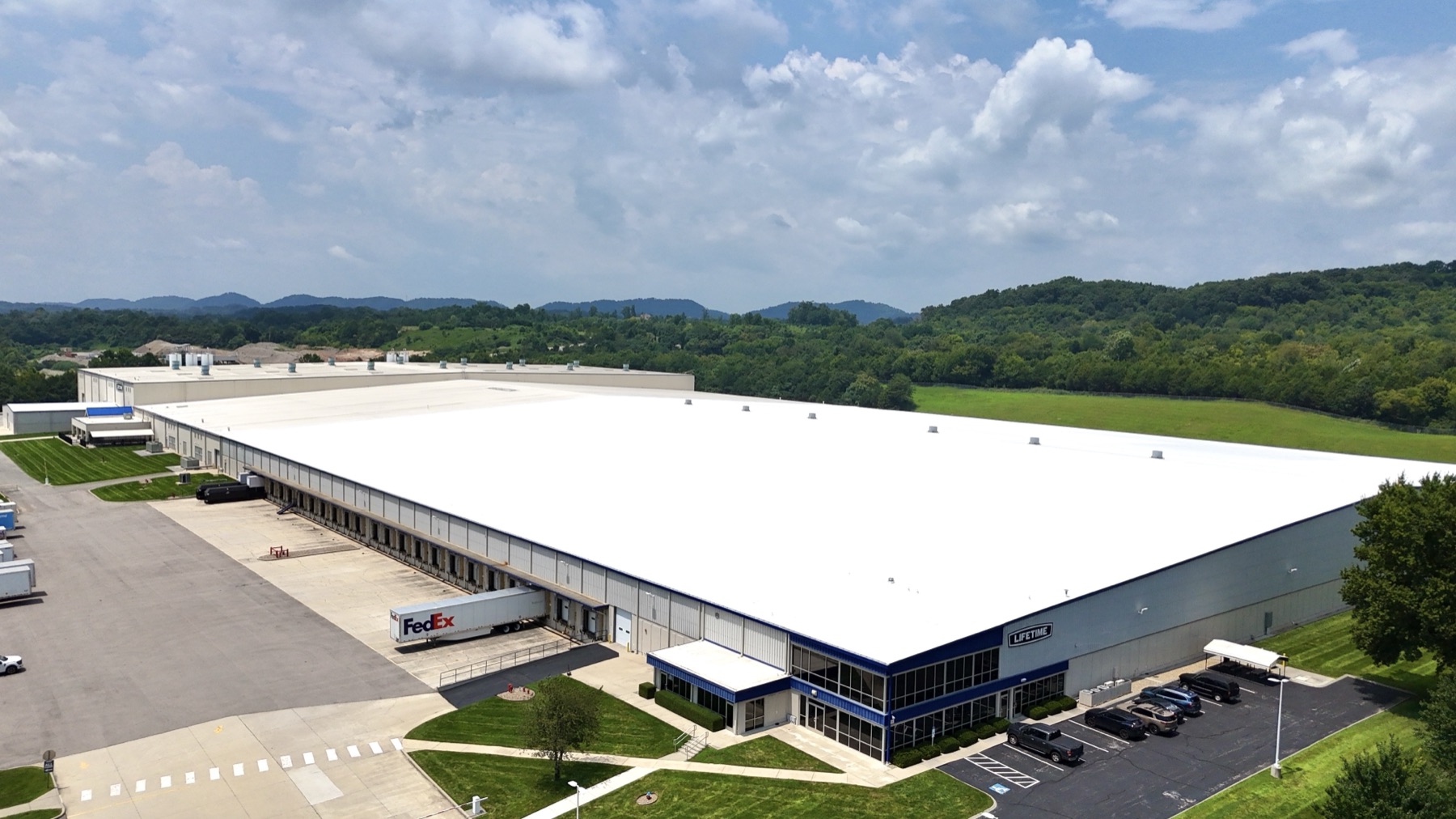
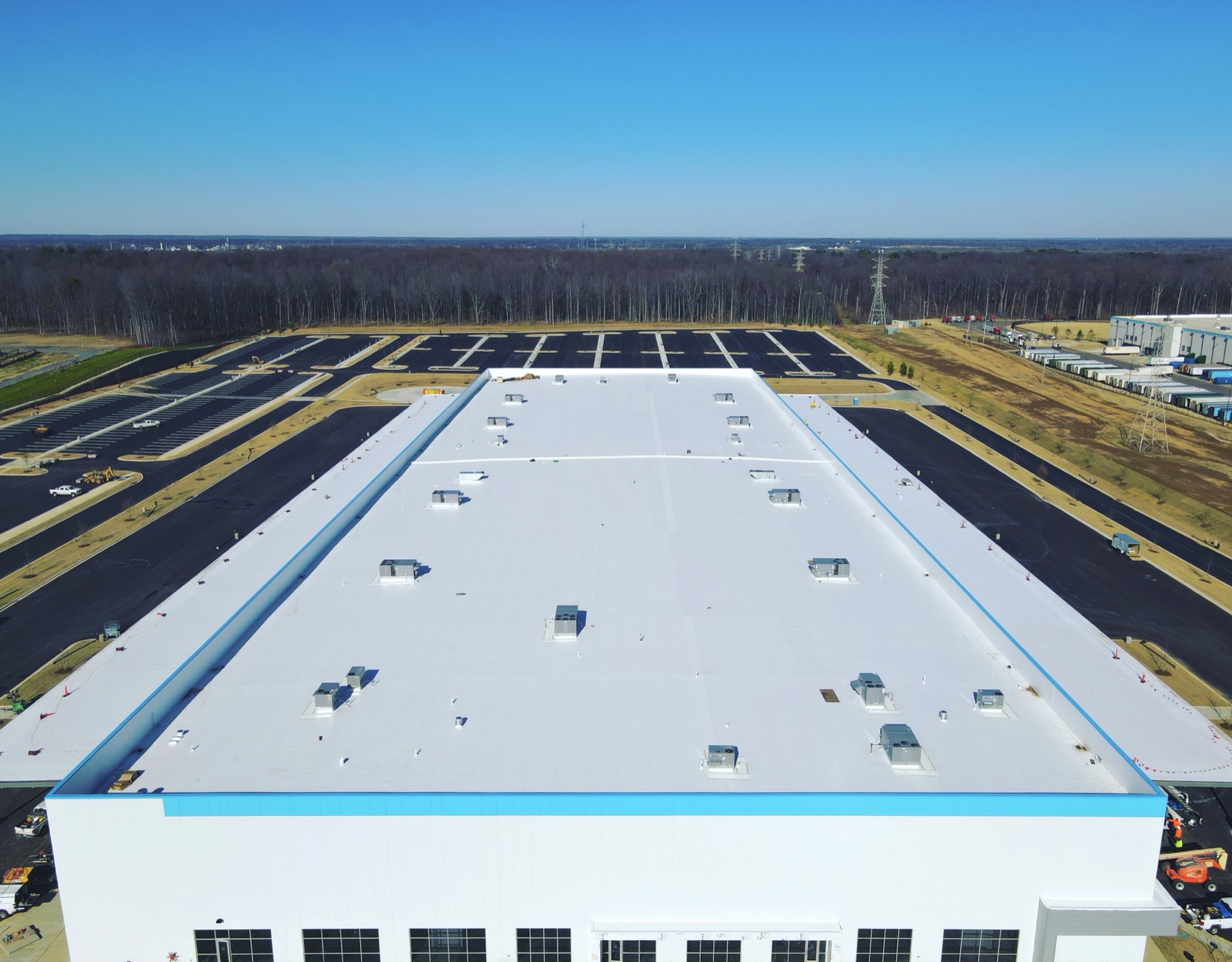
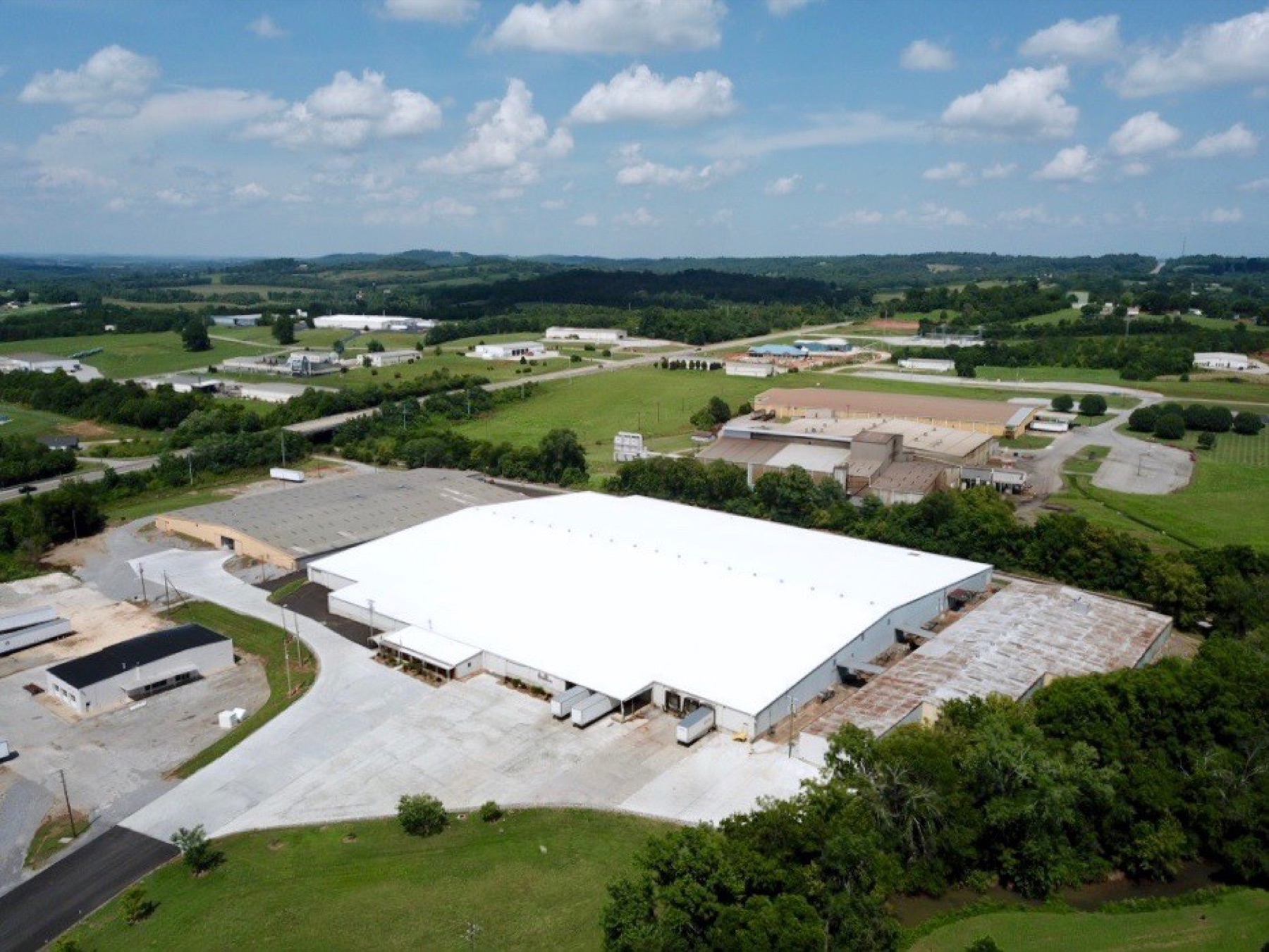
TPO stands for thermoplastic polyolefin. It is a single-ply commercial roofing membrane commonly installed on warehouses, retail centers, and industrial buildings.
TPO is popular because of its heat-welded seams, reflective white surface, durability, and competitive installation cost. Common membrane thicknesses include 60 and 80 mil. Qualifying TPO roofing systems can carry 20-year manufacturer warranties, with longer terms available for certain assemblies.
What Is EPDM Roofing, And How Does It Compare To TPO?
EPDM is a synthetic rubber roofing membrane commonly used on flat and low-slope commercial buildings.
The biggest difference is the material and seam construction. TPO seams are heat-welded, while EPDM typically uses specialized seam tapes and adhesives. EPDM is known for flexibility and weather resistance, while white TPO offers higher initial solar reflectivity than traditional black EPDM.
Both systems can provide decades of performance when properly installed.
Is PVC Roofing Better Than TPO Roofing?
PVC is often preferable for commercial roofs exposed to grease, animal fats, oils, and certain chemicals. This makes it a popular choice for restaurants, food-processing facilities, and some manufacturing buildings.
TPO is generally a more economical option for standard warehouses, offices, and retail facilities where those exposures are not a concern. Both systems use heat-welded seams and offer reflective membrane options.
Is Metal Roofing A Good Option For Commercial Buildings?
Yes. Commercial metal roofing is one of the longest-lasting roofing options, with properly designed and maintained systems often lasting 40 years or more.
Standing-seam metal roofs offer excellent durability and weather resistance. Existing metal roofs may also qualify for specialized retrofit or restoration systems, potentially reducing removal costs and business disruption.
Can A Leaking Commercial Flat Roof Be Repaired Without Replacing It?
Yes. Most isolated commercial roof leaks can be repaired without replacing the entire roof.
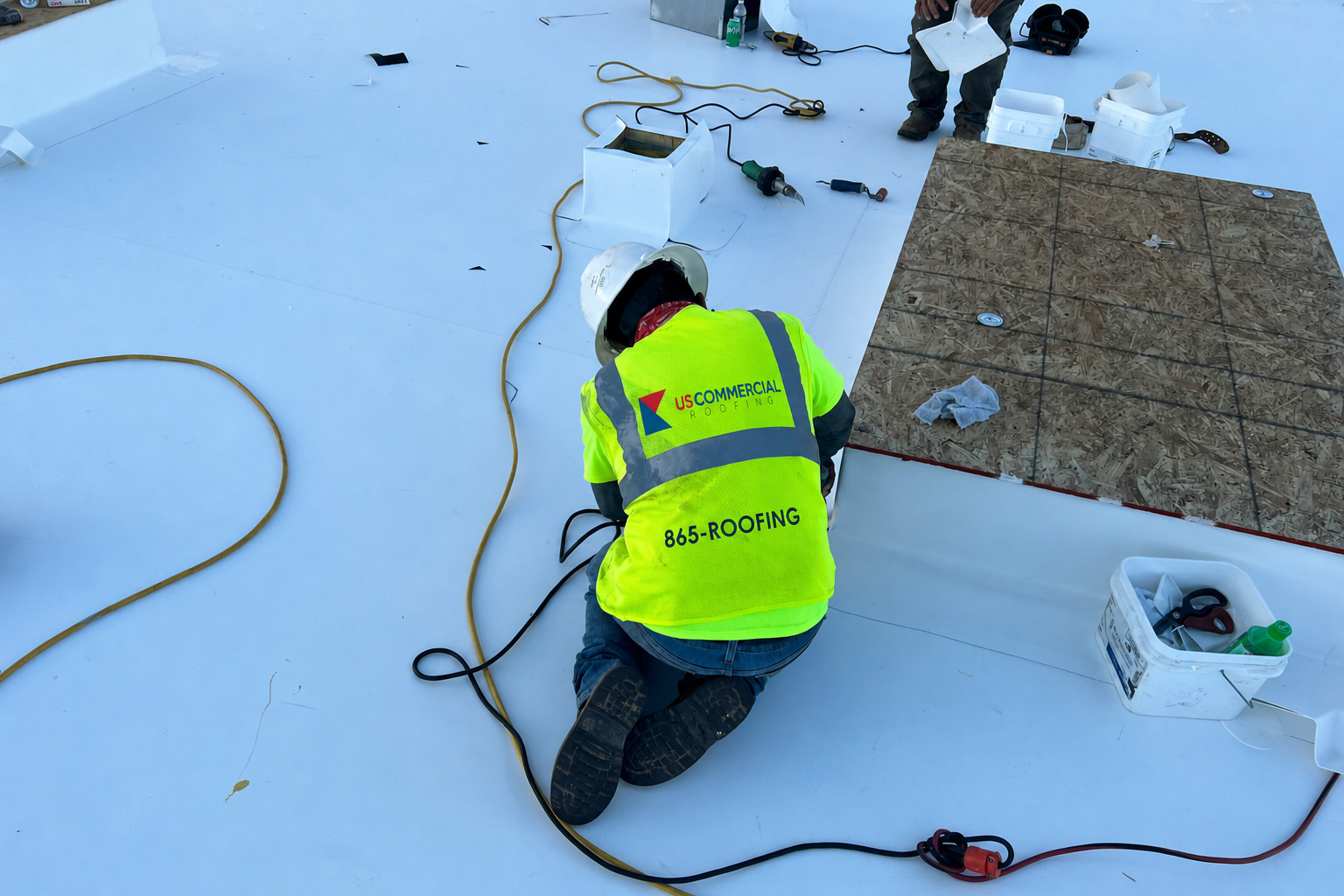
Common repairs include heat-welding TPO or PVC membrane patches, repairing EPDM seams, replacing damaged flashing, and addressing penetrations around rooftop equipment.
However, the visible interior leak may not be directly below the roof damage. Water can travel through insulation or along the roof deck, making professional leak investigation important.
Can Commercial Roof Coatings Extend The Life Of An Existing Roof?
Yes, if the existing roof is a suitable candidate for restoration.
Commercial roof coatings can improve weather resistance, reflectivity, and waterproofing performance on qualifying roofing systems. Silicone and acrylic coatings are among the options available.
Coatings are not a substitute for replacing extensively saturated insulation or correcting structural problems. Roof condition, moisture levels, drainage, and material compatibility must be evaluated first.
Do You Offer Emergency Commercial Roof Leak Repair?
Yes. US Commercial Roofing provides emergency commercial roofing services for active leaks, storm damage, membrane punctures, and other urgent roofing problems.
Emergency services may include temporary water-intrusion protection, leak investigation, localized membrane repairs, and permanent repair recommendations.
Call 865-ROOFING for assistance with an urgent commercial roofing problem.
How Often Should A Commercial Roof Be Inspected?
At least twice per year—typically in the spring and fall—and after major storms.
Commercial roof inspections should include membrane seams, flashing, drainage components, rooftop penetrations, roof edges, and visible signs of damage or trapped moisture.
Routine inspections help identify problems before they lead to costly interior damage and can help owners meet applicable manufacturer warranty maintenance requirements.
What Is Included In Commercial Roof Preventative Maintenance?
A commercial roof maintenance program typically includes cleaning roof drains, removing accumulated debris, inspecting seams and flashing, checking rooftop penetrations, identifying damage, and completing necessary minor repairs.
US Commercial Roofing also provides photographic documentation of roof conditions to help property managers prioritize repairs and plan future capital expenditures.
How Long Does It Take To Replace A Commercial Roof?
A smaller commercial roof may take a few days, while large industrial roof replacements can take several weeks.
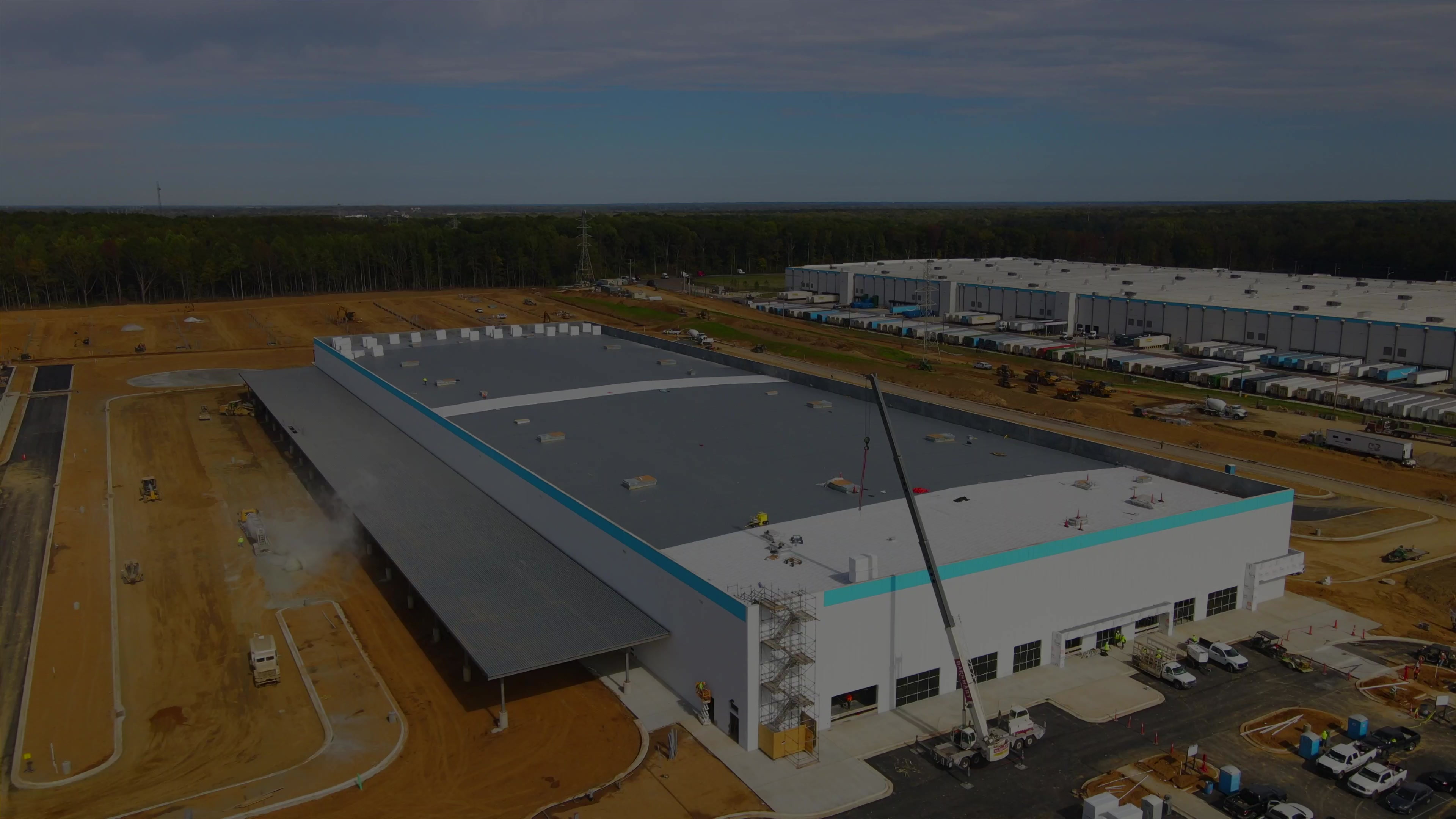
On suitable large-scale projects, US Commercial Roofing can achieve production rates of approximately 10,000–20,000 square feet per day. Actual progress depends on tear-off requirements, insulation, weather, roof complexity, and building operations.
We establish a project-specific construction schedule before work begins.
Can My Business Stay Open During Commercial Roof Replacement?
Yes. Most commercial roof replacements can be completed while the business remains operational.
US Commercial Roofing works as unobtrusively as possible, coordinates around daily operations, protects building entrances and access points, and maintains weather protection throughout construction.
We work with facility managers to complete and close out projects promptly, minimizing disruption to employees, customers, tenants, and the operations beneath us.
What Warranties Are Available On Commercial Roofing Systems?
Most commercial single-ply roofing systems can qualify for a 20-year manufacturer warranty, with 25- and 30-year options available on certain qualifying assemblies.
Two important warranty types are:
- NDL (No Dollar Limit) Warranty: A manufacturer-backed warranty with no monetary cap on covered repair costs during the warranty term. Qualifying coverage generally includes materials and labor required to correct covered roofing system leaks, subject to the warranty’s terms and exclusions.
- Membrane-Only Warranty: Generally covers manufacturing defects in the roofing membrane rather than the complete roofing system or installation workmanship.
- US Commercial Roofing works with leading manufacturers, including Carlisle SynTec, GAF, Johns Manville, Elevate, and others, to offer available manufacturer-backed warranty options.

 EXCELLENCE IN SINGLE-PLY