Prepared November 10, 2026 • US Commercial Roofing editorial team
Reflectance is one part of the assembly
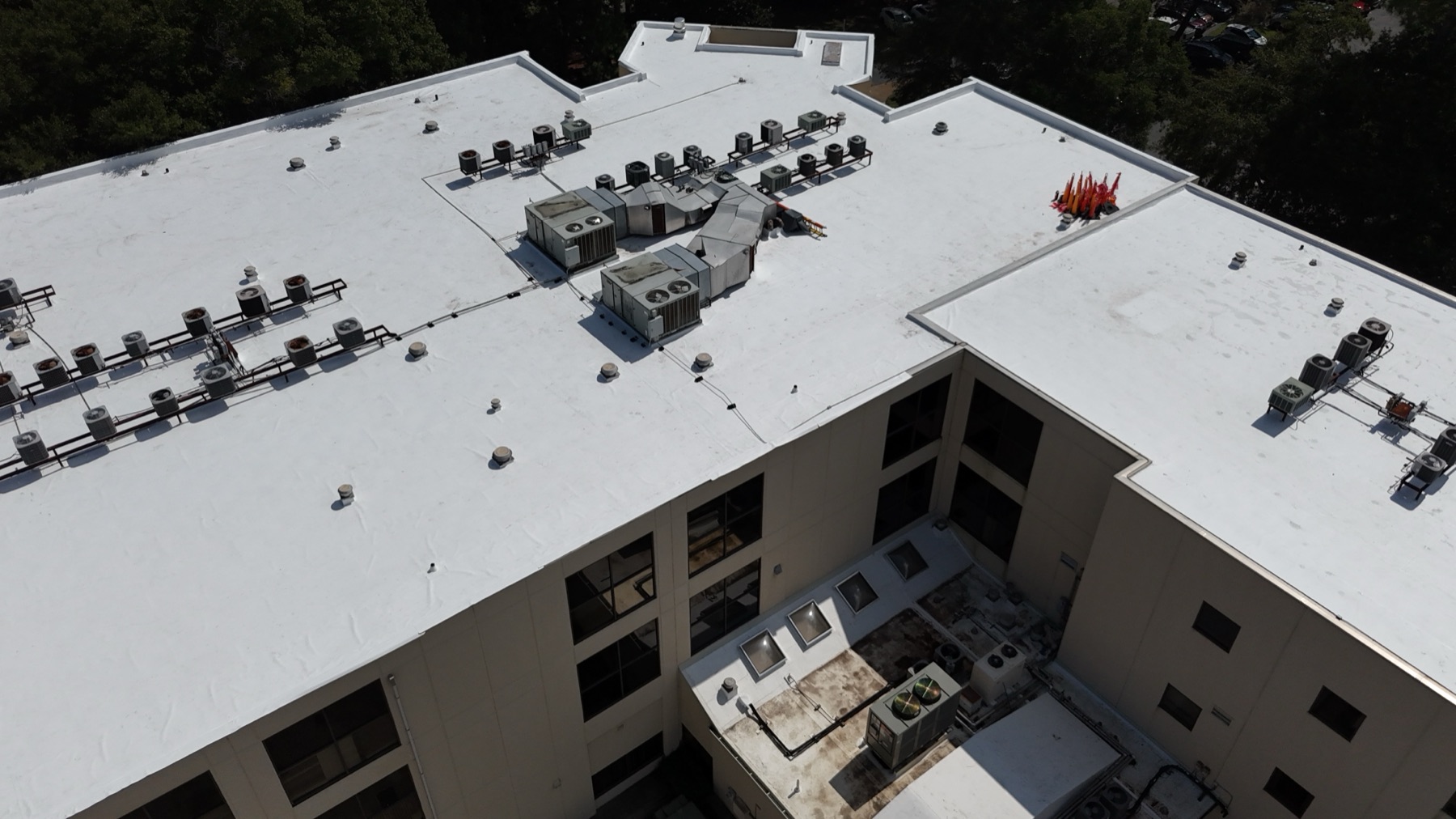
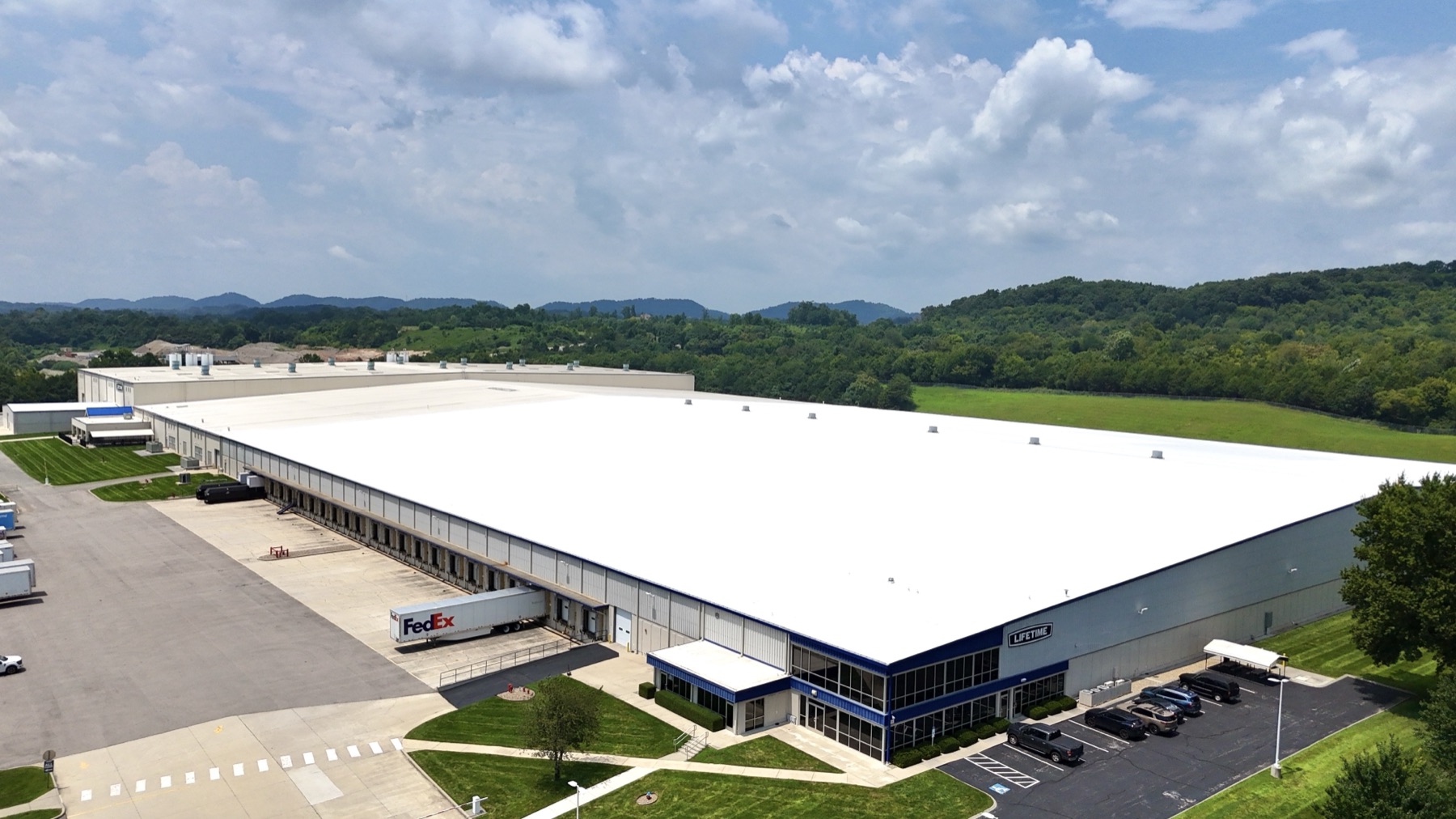
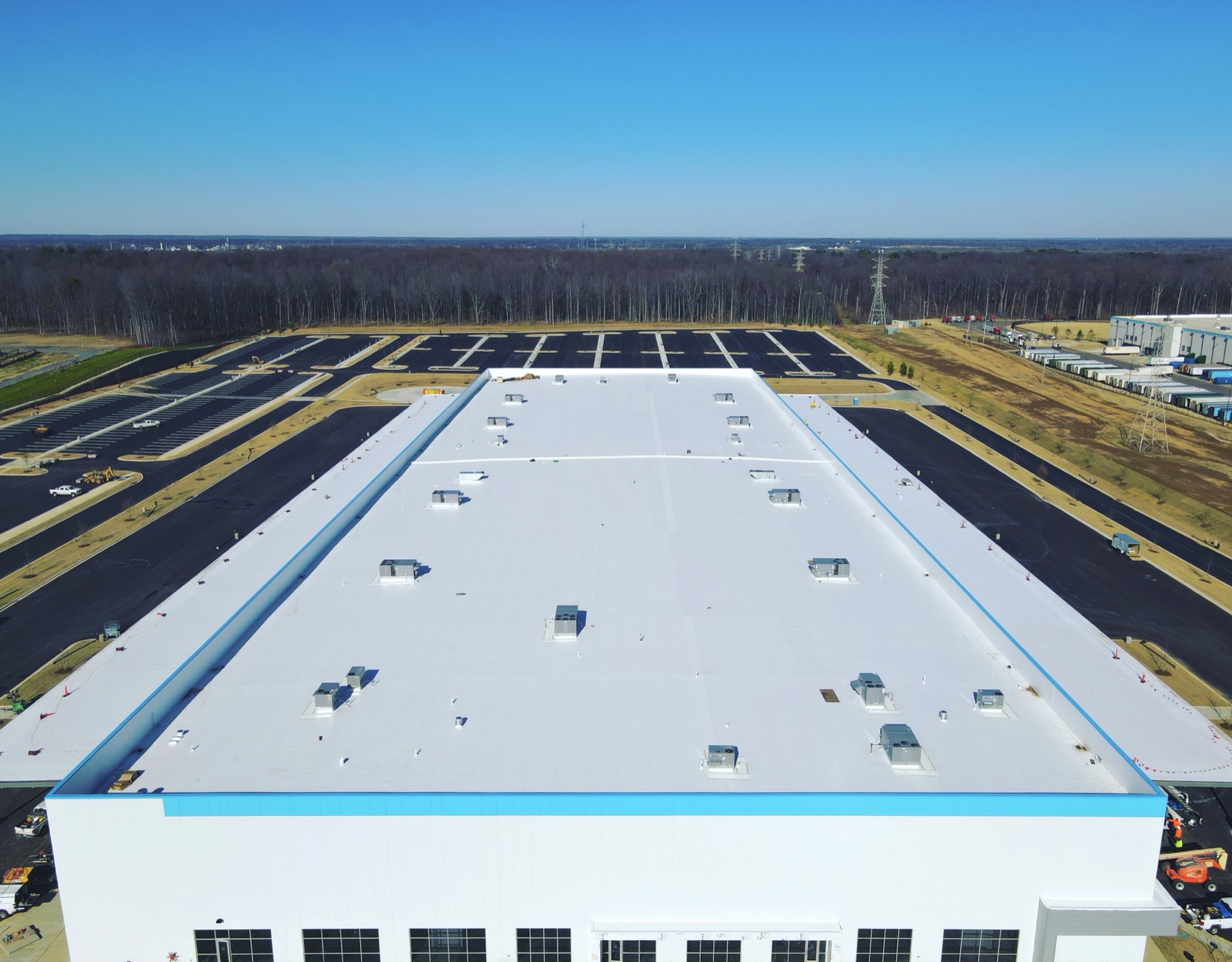
A reflective roof can reduce absorbed solar energy, but roof design is more than the surface color. Insulation, moisture conditions, attachment, drainage and the use of the building remain part of the decision. Choose a system around the property, not a color sample alone.
Do not assume a universal energy payback
The Department of Energy explains that climate and building conditions influence cool-roof value. Request building-specific evaluation rather than assuming a fixed savings percentage. An existing well-insulated building may have a different outcome than one with little insulation.
Establish whether the existing roof is a candidate
Before evaluating a coating or recover, assess the current assembly, moisture and substrate condition, along with manufacturer criteria and applicable requirements. Reflectivity does not repair wet insulation, deteriorated decking or unresolved drainage problems.
Compare complete scopes
Ask which preparation, repair, insulation and detail work is included. Review warranty terms, maintenance duties and exclusions. A coating proposal and a full replacement proposal are not interchangeable even if both result in a light-colored surface.
Plan the next step
Bring roof records, utility goals and known operational constraints to the discussion. If energy savings are a major objective, identify the analysis needed before treating them as a budget assumption. The right outcome is a defensible roof plan, not a guaranteed ranking of one membrane over every other option.
Further reading
Primary reference: Department of Energy — Guidelines for Selecting Cool Roofs
A next step for your property
Commercial replacement planning · All commercial roofing guides